
The Importance of Automation in Infrastructure Management
07/03/2026
Troubleshooting Common Deployment Issues in IT
07/03/2026
Guide to Monitoring System Performance Effectively
Introduction
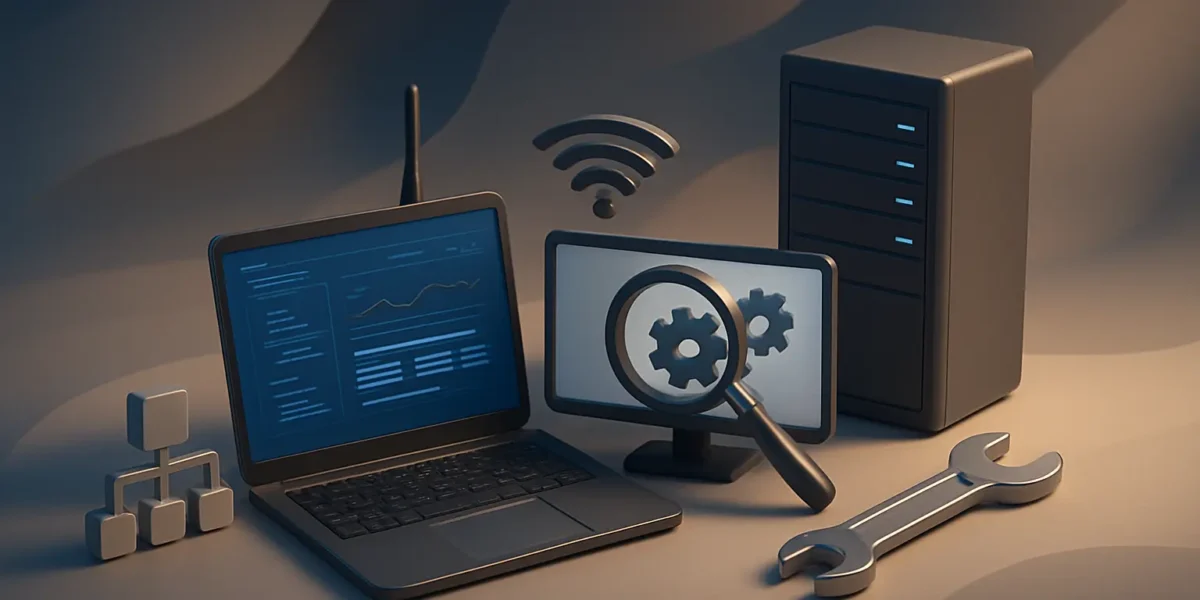
In today’s technology-driven world, effective system performance monitoring is crucial for maintaining the health and efficiency of IT infrastructures. System administrators need to ensure that their systems operate smoothly to minimize downtime and maximize productivity. This guide will walk you through the essential methods and tools for monitoring system performance effectively.
Understanding System Performance Monitoring
System performance monitoring involves tracking various metrics that reflect the health and efficiency of hardware and software components. It includes monitoring CPU usage, memory consumption, disk I/O, network traffic, and application performance. By keeping an eye on these metrics, you can quickly identify and resolve issues before they impact users.
Key Metrics to Monitor
- CPU Usage: High CPU usage can indicate bottlenecks or inefficient processes.
- Memory Usage: Monitoring RAM helps identify memory leaks or insufficient resources.
- Disk I/O: Slow disk read/write speeds can lead to application performance issues.
- Network Traffic: Analyzing network patterns helps detect anomalies or potential security threats.
- Application Performance: Tracking response times and error rates ensures applications meet user expectations.
Tools for Effective Monitoring
Choosing the right tools is essential for effective performance monitoring. Here are some popular options:
- Nagios: A widely used open-source tool that provides comprehensive monitoring capabilities.
- Grafana: Ideal for visualizing data from various sources, Grafana allows real-time monitoring of metrics.
- Prometheus: This powerful monitoring system collects metrics and generates alerts based on defined thresholds.
- New Relic: A commercial tool focused on application performance monitoring with in-depth insights.
- Zabbix: Another open-source solution that offers robust monitoring features and alerting capabilities.
Setting Up Monitoring Tools
After selecting a monitoring tool, setting it up properly is crucial. Here are some best practices:
- Define Key Performance Indicators (KPIs): Determine the most important metrics based on your organization’s needs.
- Configure Alerts: Set up alerts for specific thresholds to respond promptly to potential issues.
- Regularly Review Configurations: Ensure that your monitoring setup evolves with your IT infrastructure.
Common Mistakes to Avoid
While monitoring system performance, avoid these common pitfalls:
- Neglecting Documentation: Keep thorough documentation of configurations and changes for troubleshooting.
- Overlooking Historical Data: Use historical data to identify trends and predict future issues.
- Ignoring User Feedback: User experiences can provide valuable insights into system performance.
Benefits of Effective Monitoring
Implementing an effective monitoring strategy offers numerous benefits:
- Proactive Issue Resolution: Identify and resolve issues before they impact users.
- Resource Optimization: Ensure that resources are used efficiently to save costs and boost performance.
- Enhanced Security: Early detection of unusual activity helps mitigate security risks.
Conclusion
In conclusion, effective system performance monitoring is indispensable for any organization aiming to maintain a stable and efficient IT environment. By understanding key metrics, leveraging appropriate tools, and implementing best practices, system administrators can optimize performance and ensure a seamless experience for users. Regularly revisiting your monitoring strategies will help your organization adapt to changes and continue to thrive in a dynamic technological landscape.