
Strategies for Optimizing Your IT Infrastructure
07/03/2026
Scaling Your Infrastructure: Best Deployment Practices
07/03/2026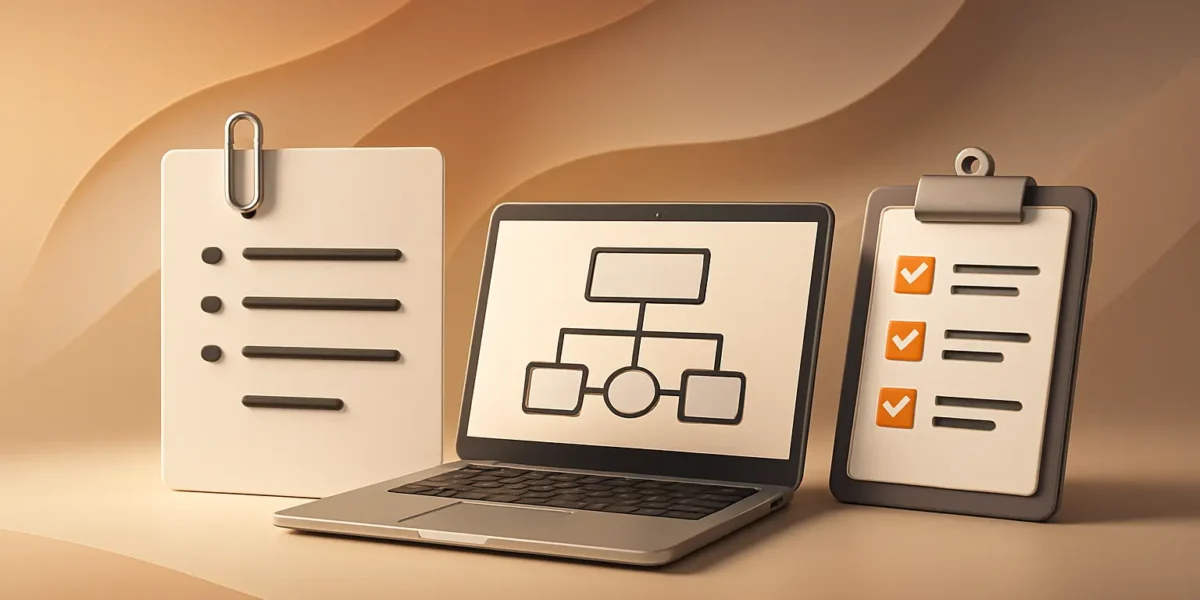
Documenting IT Processes for Better Team Collaboration
Introduction
Effective documentation of IT processes is essential for fostering collaboration among team members. It serves as a roadmap that guides employees through complex systems, ensuring that everyone is on the same page. In an age where remote work and diverse teams are becoming the norm, clear documentation can significantly enhance productivity and minimize misunderstandings.
This article explores the importance of documenting IT processes, offers practical strategies for creating effective documentation, and highlights common pitfalls to avoid. Whether you’re part of a large organization or a small startup, these insights can help streamline your workflows and improve team collaboration.
Why Documenting IT Processes Matters
Documenting IT processes brings several benefits that can improve collaboration and overall efficiency. Here are some key reasons:
- Consistency: Standardized processes ensure that all team members follow the same procedures, reducing errors.
- Knowledge Sharing: Documentation serves as a knowledge base, making it easier for new team members to get up to speed.
- Problem Resolution: Well-documented processes can help troubleshoot issues faster by providing clear guidelines.
- Compliance: Proper documentation ensures adherence to industry regulations and organizational policies.
Best Practices for Documenting IT Processes
Adopting effective documentation practices can make a significant difference. Here are some best practices to consider:
1. Identify Stakeholders
Before creating documentation, identify who will use it. Involve stakeholders from various teams to gather insights and ensure the documentation meets everyone’s needs.
2. Use Clear Language
Write in simple, straightforward language. Avoid jargon and technical terms unless absolutely necessary. If you must use them, provide clear definitions.
3. Organize Information Logically
Structure your documentation in a way that is easy to navigate. Group related processes together and use headings and subheadings effectively.
4. Incorporate Visual Aids
Use flowcharts, diagrams, and screenshots to illustrate complex processes. Visual aids can enhance understanding and retention of information.
5. Update Regularly
IT processes are dynamic. Regularly review and update documentation to ensure it reflects the latest procedures and technologies.
Common Mistakes to Avoid
While documenting IT processes, it’s easy to make mistakes that can hinder clarity and usability. Here are some common pitfalls:
- Overcomplicating Language: Using overly technical language can alienate team members.
- Neglecting User Feedback: Failing to incorporate feedback from users can lead to gaps in the documentation.
- Inconsistent Formatting: A lack of uniformity in formatting can make documentation difficult to read and follow.
- Ignoring Version Control: Not keeping track of document versions can lead to confusion and outdated information.
Tools for Effective IT Documentation
Utilizing the right tools can streamline the documentation process. Here are some recommended tools:
- Confluence: A collaborative workspace that allows teams to create, share, and manage documentation.
- Google Docs: A simple and accessible option for creating and sharing documents with real-time editing.
- Microsoft OneNote: Ideal for creating detailed notes and organizing information in a structured format.
- Lucidchart: Excellent for creating flowcharts and diagrams to visualize processes.
Conclusion
Documenting IT processes is not just a task but a vital practice that enhances team collaboration and operational efficiency. By following the best practices outlined in this article, including clear communication, logical organization, and regular updates, teams can create valuable resources. Avoiding common mistakes and using effective tools will further ensure that documentation serves its purpose effectively. Ultimately, well-documented IT processes can lead to improved productivity and a more cohesive team environment.