
Best Open Source Tools for Infrastructure Management
07/03/2026
Strategies for Optimizing Your IT Infrastructure
07/03/2026
How to Write Clear and Concise IT Documentation
Introduction
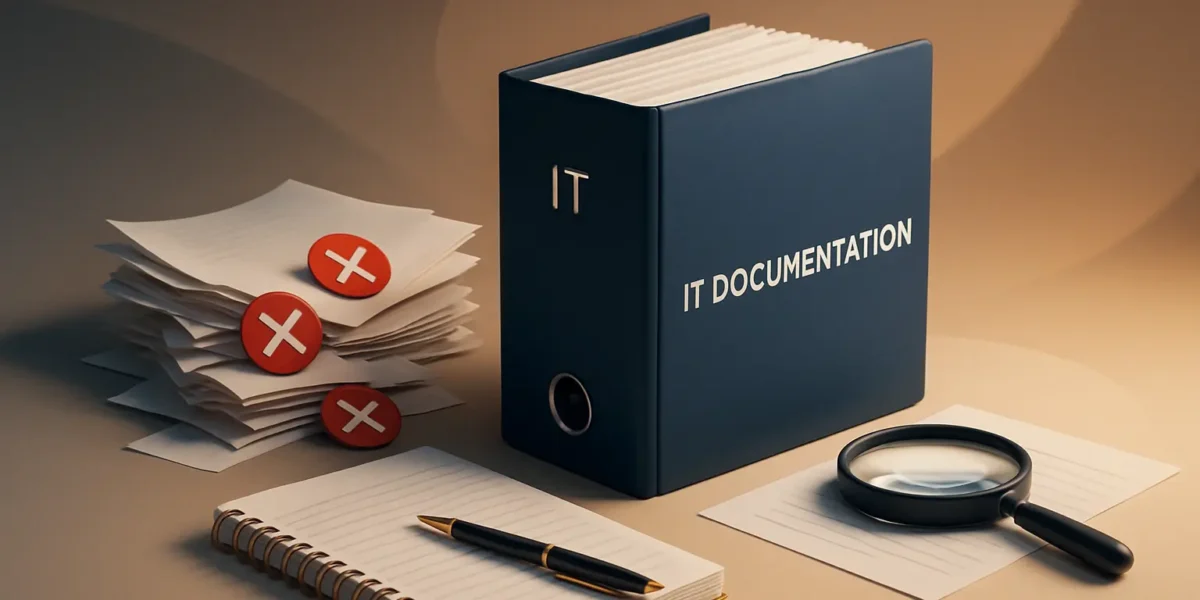
In the fast-paced world of technology, clear and concise IT documentation is crucial for effective communication among team members and stakeholders. Whether it’s deployment guides, system administration procedures, or infrastructure management resources, well-written documentation can save time, reduce errors, and enhance team collaboration.
This article will provide practical tips and best practices for creating IT documentation that is not only informative but also easy to understand and navigate.
Understanding the Purpose of IT Documentation
Before diving into writing, it’s essential to understand why IT documentation is important. The primary goals of effective IT documentation include:
- Facilitating knowledge transfer among team members.
- Providing clear instructions for troubleshooting and maintenance.
- Ensuring compliance with industry standards and regulations.
- Serving as a reference point for future projects or upgrades.
Key Elements of Clear IT Documentation
To create effective IT documentation, consider these key elements:
- Clarity: Use simple language and avoid jargon unless absolutely necessary.
- Conciseness: Be direct and to the point; only include relevant information.
- Structure: Organize content logically with headings, subheadings, and lists.
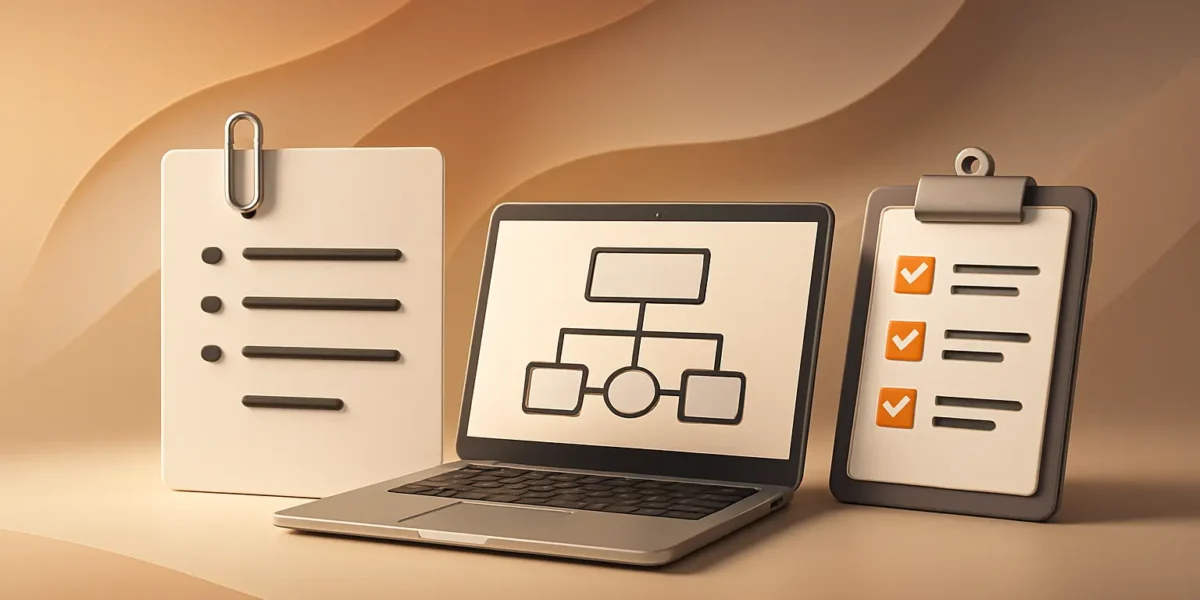
- Visuals: Incorporate diagrams, screenshots, or flowcharts to enhance understanding.
- Accessibility: Ensure documents are easy to locate and navigate.
Choosing the Right Format
The format of your documentation can greatly influence its usability. Here are some common formats to consider:
- Wiki Pages: Ideal for collaborative documentation, allowing multiple users to edit and update.
- PDF Files: Suitable for finalized documents that need to be shared and printed.
- Markdown Files: Great for technical documentation that may require ongoing updates.
- Video Tutorials: Useful for demonstrating complex processes visually.
Best Practices for Writing IT Documentation
To ensure your IT documentation is as effective as possible, follow these best practices:
- Know Your Audience: Tailor your language and content depth to the knowledge level of your readers.
- Use a Consistent Style: Establish a style guide for formatting, terminology, and tone.
- Incorporate Examples: Real-world scenarios can help clarify complex concepts.
- Review and Revise: Regularly update documentation to reflect changes in processes or technology.
Avoiding Common Mistakes
Even experienced writers can make mistakes. Here are some common pitfalls to avoid:
- Overloading documents with unnecessary information.
- Neglecting to update documentation after system changes.
- Using complex jargon without explanations.
- Ignoring feedback from users who rely on the documentation.
Benefits of Clear and Concise IT Documentation
The advantages of maintaining high-quality IT documentation are significant:
- Increased Efficiency: Team members can quickly find the information they need.
- Reduced Errors: Clear instructions minimize misunderstandings and mistakes.
- Improved Onboarding: New hires can ramp up faster with comprehensive documentation.
- Enhanced Compliance: Up-to-date documentation supports adherence to regulations.
Conclusion
Writing clear and concise IT documentation is a vital skill that enhances communication and improves operational efficiency within technology teams. By understanding the purpose of your documentation, adhering to best practices, and avoiding common mistakes, you can create resources that benefit both current and future team members. Remember, effective documentation is not just about documenting processes; it’s about empowering your team with the knowledge they need to succeed.